
Ways to replace several teeth
With several teeth missing the choice is between a bridge carried by your own teeth, a bridge on implants, and a removable denture. They differ in price, in how long they last and in what they demand of you afterwards, and the only sensible way to choose is side by side.
Deciding with the comparison in front of you
You get the options in writing, each with its cost and its likely lifespan, in English or Spanish. At this kind of money, reading it over at home in your own language is part of making a decision you will not regret.
Quotes and clinical reports are issued in English as well.
-
Replaces several teeth at once
A single prosthesis restores the whole missing section, in fewer visits than one implant per tooth.
-
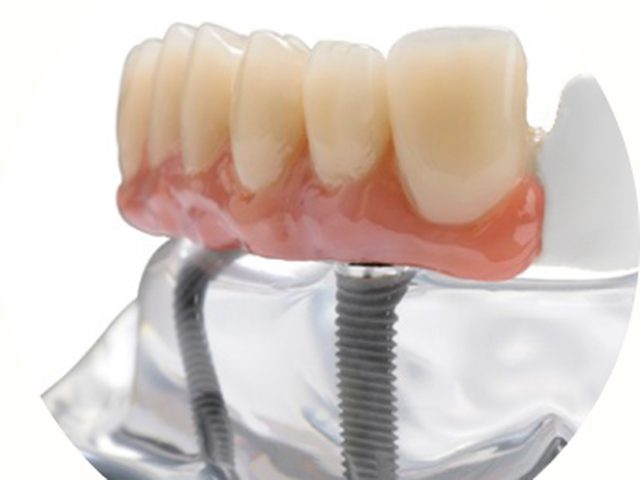
Implant-supported, no healthy teeth shaped
An implant-supported bridge avoids loading the neighbouring teeth and slows bone loss in the gap.
-
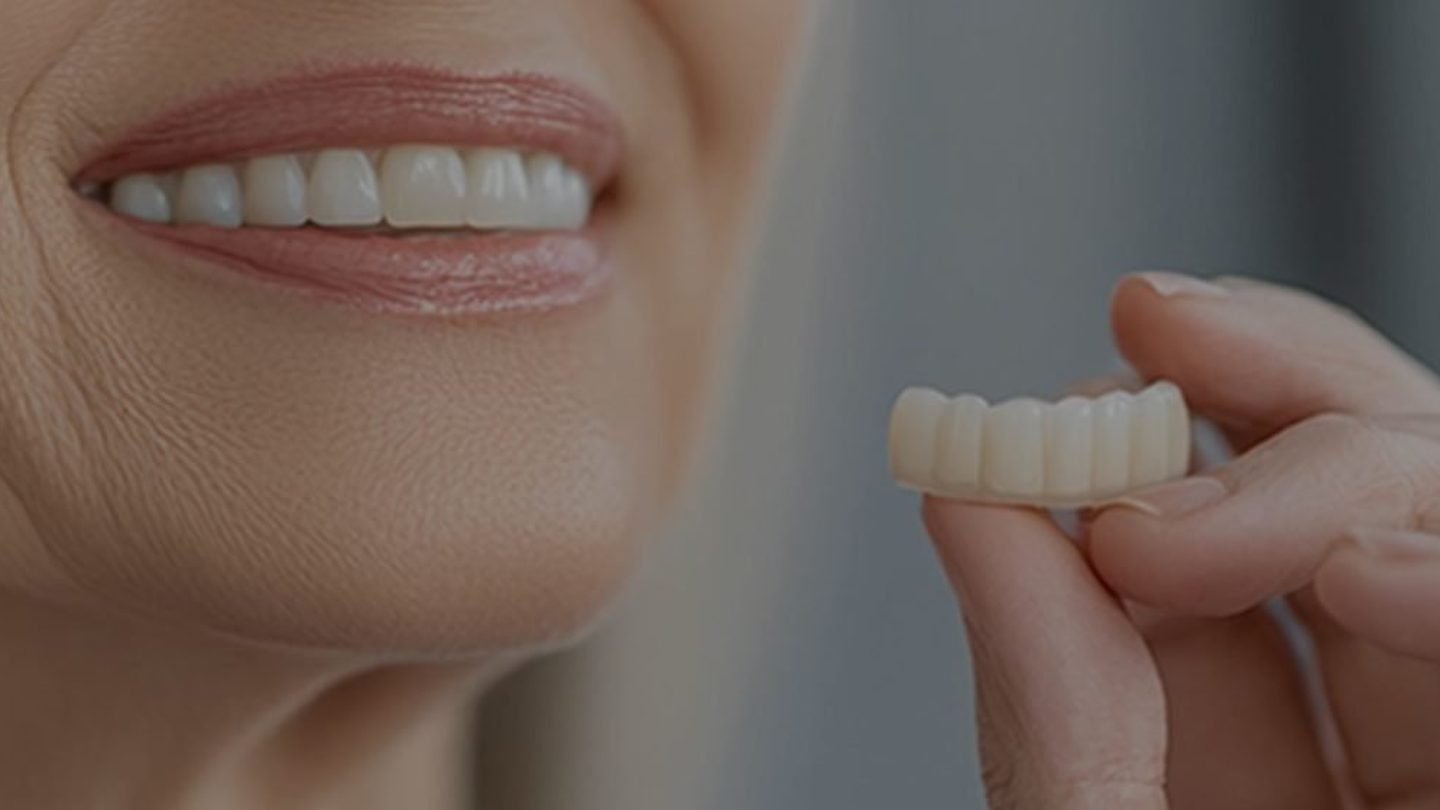
A fixed result
Unlike a removable denture, it isn't taken out to eat or sleep.
At this clinic
Prosthetics with bilingual paperwork
Each alternative is set out in writing with its cost and the maintenance it will need, in whichever of the two languages you prefer.
Try-ins and adjustments are grouped so a crossing does not go on a single ten-minute appointment.
- Written comparison of the alternatives, in two languages.
- Appointments grouped for cross-border patients.
Who carries it out
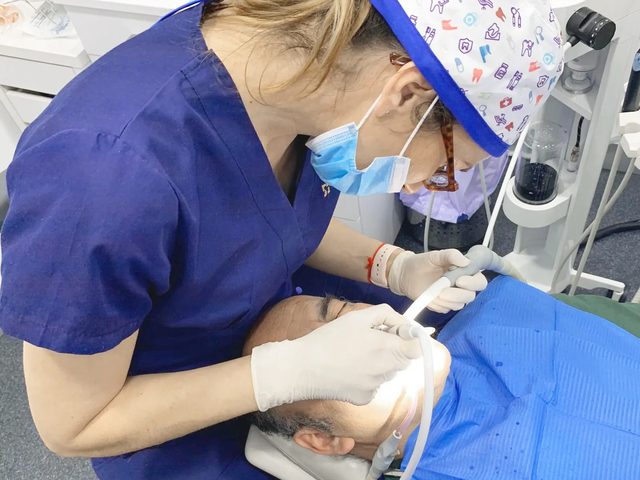
The team performing dental bridges and prostheses in La Línea de la Concepción
-

Laura Medina
Rehabilitation and prosthetics
Common questions
Frequently asked questions about this treatment
01 What's the difference between a conventional bridge and an implant-supported one?
A conventional bridge anchors by shaping down the two teeth bordering the gap. An implant-supported bridge anchors on one or two implants instead of natural teeth: it shapes nothing healthy and slows bone loss under the gap.
02 Does a conventional bridge damage the neighbouring teeth?
It requires shaping them down to fit the crowns that support it, which weakens them long-term. That's its main drawback compared with an implant-supported bridge.
03 How many teeth can a bridge replace?
It depends on the gap and the support available. When very few teeth are missing, a bridge covers the section; when an entire arch is missing, the solution is no longer a bridge but a full-arch rehabilitation.
04 Can I eat normally with a bridge?
Yes, it's a fixed prosthesis: it isn't removed to eat or sleep. Hygiene underneath it should be kept up with interdental brushes or a water flosser.
Other treatments you may be interested in

First assessment
Request your dental bridges and prostheses assessment
- We call you to understand your case before proposing anything.
- Diagnosis with digital planning and a fixed written quote.
- No obligation: if you do not need treatment, we will tell you.
Prefer to talk to us directly? 856 141 100 · WhatsApp