

Metal-free dentistry in La Línea
Materials named on the quote, not described in general terms.
What metal-free actually means here
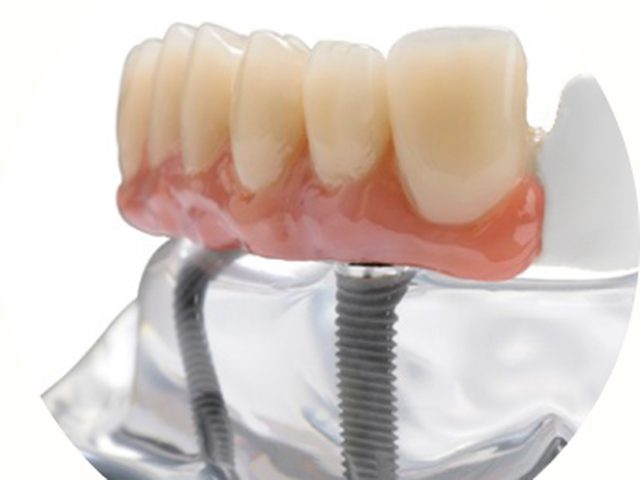
It means the implant, the abutment and the crown are made of zirconia rather than a titanium and alloy chain. Patients ask for it mostly after a reaction to jewellery or to a previous restoration, and sometimes simply because they would rather not carry metal.
It is still ordinary dentistry
Nothing here departs from evidence-based practice. What changes is the material chosen and how conservative the preparation is: a tooth that keeps its healthy structure has a better prognosis than one that has been reduced to take a crown.
Ozone and PRGF
Ozone is used as an antiseptic adjunct in early decay and in surgery. PRGF is drawn from your own blood on the day and placed in the surgical site to speed healing. Both are adjuncts to the treatment, never a substitute for it.
Every material used is named in your report, which matters if you continue treatment abroad.
-
Metal-free
Zirconia implants and prostheses for patients sensitive to alloys.
-
Your own healing
PRGF from the patient’s own blood to speed up healing.
-
Minimal intervention
We preserve as much healthy tooth structure as possible.
At this clinic
Materials written down, so they travel with you
Patients who move between Gibraltar, Spain and their home country often cannot say what was put in their mouth ten years ago. We list the brand and material of anything we place, on a report you keep.
If you have had a reaction to a dental material before, bring whatever documentation you have and we will plan around it.
- Zirconia implants and prostheses, entirely metal-free.
- Brand and material of every component listed on your report.
- Reports issued in English for treatment continued abroad.
Common questions
Frequently asked questions about this treatment
01 What are the advantages of a zirconia implant over titanium?
Zirconia is ceramic and metal-free, which makes it suitable for patients with a diagnosed sensitivity to metal alloys. Aesthetically it avoids the grey margin that metal substructures can show if the gum recedes. Titanium, for its part, has a longer clinical track record. The choice is made case by case.
02 What is PRGF?
Plasma rich in growth factors: obtained from a sample of the patient’s own blood and applied to the surgical site to speed up healing and reduce post-operative swelling.
03 Does ozone therapy replace a filling?
No. Ozone is a useful antiseptic adjunct in early caries and in surgery, but it does not replace a restoration once tooth structure has been lost.
04 Is this alternative dentistry?
No. It is the same evidence-based dentistry, applying biocompatibility and minimal-intervention criteria to material selection.
Other treatments you may be interested in

First assessment
Request your biocompatible dentistry assessment
- We call you to understand your case before proposing anything.
- Diagnosis with digital planning and a fixed written quote.
- No obligation: if you do not need treatment, we will tell you.
Prefer to talk to us directly? 856 141 100 · WhatsApp